Louisiana Property Law Attorney
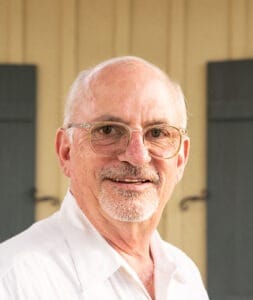
Charlton "Chink" Ogden

Property disputes don’t announce themselves. A neighbor puts up a fence six feet onto your land. A contractor does storm damage repairs and then disappears. An insurance adjuster low-balls a claim after a hurricane and hopes you accept the first offer. A title search turns up a servitude you didn’t know existed. These situations happen to real people on the Northshore, and they happen more often than most people expect. As a Louisiana property law attorney with more than two decades on the Northshore, Charlton “Chink” Ogden knows how these disputes unfold and what it takes to resolve them.

Insurance Claims and Hurricane Damage

Louisiana Property Law Attorney, Charlton "Chink" Ogden - Hurricane & Storm Damage Property Claims

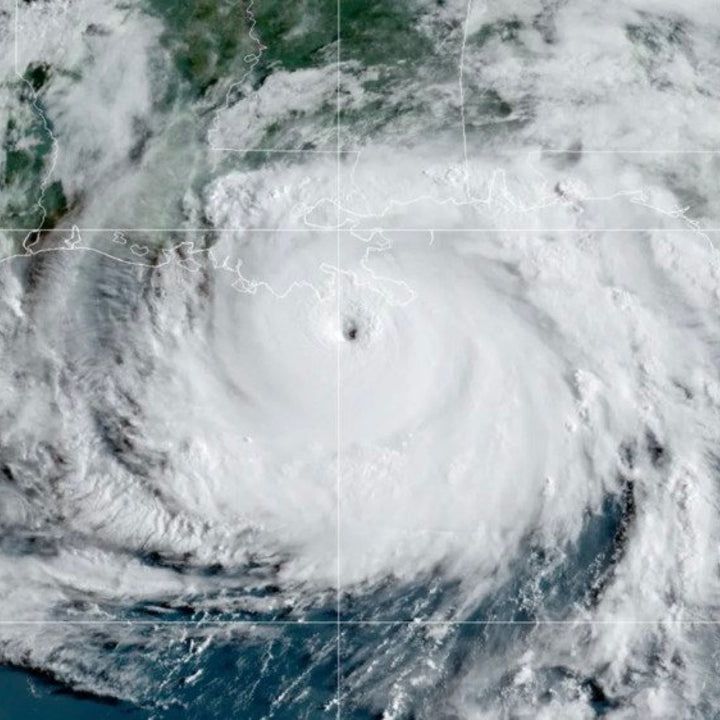
Louisiana’s Gulf Coast location means property damage from storms is not a rare event here. It’s part of life on the Northshore. What most property owners don’t realize until it happens to them is that the claims process is designed to favor the insurer, not the policyholder. Adjusters work for the insurance company. Their job is to settle claims as efficiently as possible, which often means initial assessments that undervalue damage and first offers that come in well below what the policy actually covers.


Charlton has worked with property owners across St. Tammany Parish navigating storm and hurricane damage claims, from wind and water damage to roof losses, structural damage, and contents claims. He reviews the policy language, evaluates whether the adjuster’s assessment accurately reflects the actual damage, and advocates for fair compensation. That process sometimes resolves quickly once an insurer knows a client has legal representation. Other times it takes more.


Louisiana law gives policyholders real leverage when an insurer acts in bad faith. If a company fails to initiate loss adjustment within a reasonable time, issues a partial payment without reasonable basis, or denies a valid claim without adequate investigation, Louisiana’s bad faith statutes provide for penalties of up to 50% of the claim value plus reasonable attorney fees. Chink knows when those statutes apply and how to pursue them. If your insurer is stalling, underpaying, or denying a legitimate claim, that’s not something you have to accept.

Property Law in Louisiana Is Different

Louisiana property law operates under the Civil Code, not the common law tradition that governs real estate in the other 49 states. That means some concepts here have no direct equivalent anywhere else. A servitude in Louisiana works differently than an easement in a common law state. The rules governing boundary disputes, encroachments, and rights-of-way follow the Civil Code rather than case law precedent. Working with a Louisiana property law attorney who knows this system specifically matters. Applying general real estate principles from another jurisdiction to a St. Tammany Parish dispute is a mistake.

Boundary Disputes and Encroachments

Boundary disputes are among the most common matters a Louisiana property law attorney handles on the Northshore, particularly in older neighborhoods where property lines were surveyed decades ago and fences, structures, and driveways have shifted over time. When a neighbor builds on your property, or when you discover that a structure you’ve maintained for years sits on someone else’s land, the path forward depends on the specific facts, the survey records, and Louisiana’s Civil Code provisions governing boundaries and encroachments.

Charlton has handled these disputes throughout St. Tammany Parish. He understands what a boundary survey establishes and what it doesn’t, when a demand letter resolves the matter quickly and when litigation is unavoidable, and how Louisiana’s rules on acquisitive prescription, the concept sometimes called “squatter’s rights” in other states, apply in specific situations.

Boundary Disputes and Encroachments

Boundary disputes are among the most common matters a Louisiana property law attorney handles on the Northshore, particularly in older neighborhoods where property lines were surveyed decades ago and fences, structures, and driveways have shifted over time. When a neighbor builds on your property, or when you discover that a structure you’ve maintained for years sits on someone else’s land, the path forward depends on the specific facts, the survey records, and Louisiana’s Civil Code provisions governing boundaries and encroachments.

Charlton has handled these disputes throughout St. Tammany Parish. He understands what a boundary survey establishes and what it doesn’t, when a demand letter resolves the matter quickly and when litigation is unavoidable, and how Louisiana’s rules on acquisitive prescription, the concept sometimes called “squatter’s rights” in other states, apply in specific situations.

Property Law Attorney Chink Ogden assists Northshore clients with property line disputes

Servitudes and Rights-of-Way

A servitude is a legal right that one property owner holds over another’s land, such as the right to cross it, run utilities through it, or access a shared driveway. Servitudes in Louisiana are governed by the Civil Code and can be created by agreement, by operation of law, or by long use. They can also be extinguished under specific circumstances.

Disputes over servitudes arise regularly: a neighbor blocks access to a shared driveway, a utility company claims a right-of-way that isn’t properly documented, or a new property owner discovers a servitude they weren’t informed of at closing. Charlton helps clients understand what rights they actually have, what the other party’s rights are, and how to resolve the dispute with as little cost and conflict as possible.

Property Rights Disputes

Not every property dispute fits neatly into a category. Sometimes the issue is a contractor who placed a lien on your property after a disagreement over work quality, a co-owner who wants to force a sale, or a landlord refusing to return a deposit. These are civil law matters at their core, and they require a Louisiana property law attorney with both property law knowledge and civil litigation experience. Chink’s background in civil litigation from his years practicing in New Orleans gives him a practical sense of when negotiation resolves a dispute and when you need to be prepared to take it further.

Common Questions About Louisiana Property Law

Don’t accept the first offer without having someone review the policy and the adjuster’s assessment. Insurers are required to handle claims in good faith under Louisiana law, and if they fail to do so, they may be liable for penalties beyond the original claim value. Charlton reviews insurance claims and policy language and can advise whether you have grounds to push back, request a re-inspection, or pursue a bad faith claim.

Servitudes and easements serve similar purposes, granting one party rights over another’s property, but they are governed by different legal frameworks. Louisiana servitudes are creatures of the Civil Code rather than common law, which means the rules for creating, maintaining, and extinguishing them follow Louisiana-specific statutes. The distinction matters when you are trying to establish, enforce, or challenge a servitude in a St. Tammany Parish court.

Louisiana’s Civil Code governs boundary disputes and encroachments. The first step is typically getting a licensed surveyor to establish the actual boundary on record. Once the boundary is confirmed, Charlton can send a formal demand for removal of the encroachment or negotiate a servitude agreement if both parties prefer that outcome. If the neighbor refuses to cooperate, Louisiana courts can order removal and award damages. The facts of each situation determine the best path forward.

Timing matters significantly in Louisiana property law. Most insurance policies have specific deadlines for reporting damage and filing claims. Louisiana’s liberative prescription, the Civil Code equivalent of a statute of limitations, governs how long you have to bring legal action after a claim is denied or disputed. Prescription periods vary depending on the type of claim. If you think you may have a property matter, the earlier you consult an Louisiana property law attorney the better, because waiting can permanently affect your rights.

Serving Covington and the Northshore

If you are looking for a Louisiana property law attorney serving the Northshore, Charlton’s office is in Covington at 71206 Hendry St. He handles property matters throughout St. Tammany Parish, including Mandeville, Madisonville, Abita Springs, Slidell, and surrounding communities. Call (985) 892-8592 or use the contact form below to schedule a consultation.